
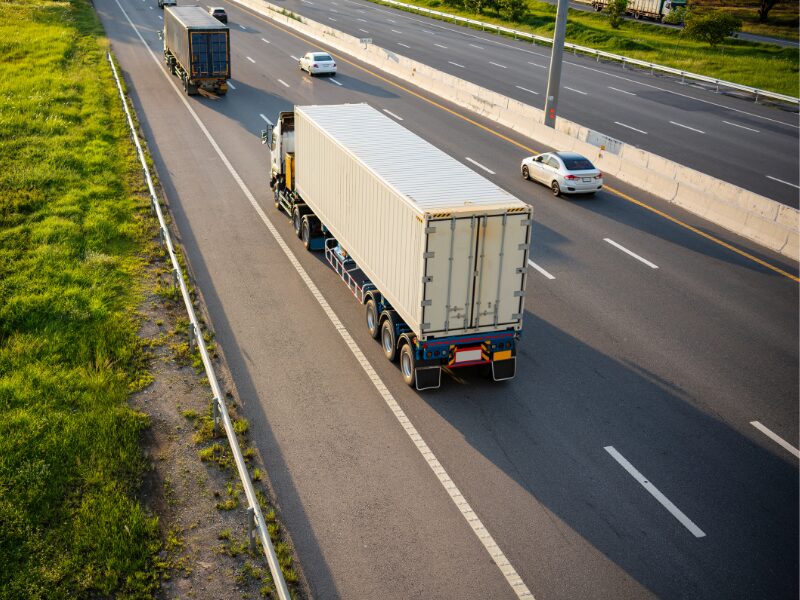
Pulling an 80,000-pound semi-truck off an active travel lane is one of the most stressful situations a commercial driver can face. When an engine component fails, a tire blows out, or air pressure drops unexpectedly, you often have only a few seconds to react. Knowing the proper steps for emergency parking on highway shoulders keeps you, your cargo, and passing motorists safe from dangerous secondary collisions.
A highway shoulder is a high-risk environment. Cars and other commercial vehicles travel past your stopped rig at high speeds, and passing drivers are frequently distracted. Treating every shoulder stop with extreme caution is necessary from the moment you pull off the pavement until you merge back into traffic. This guide covers how to choose a safe spot, set up required warning devices, and manage your vehicle while waiting for help.
Evaluating when to pull over vs. pushing to an exit
Not every mechanical warning requires an immediate stop on a narrow highway shoulder. Before pulling off the road, quickly assess whether your vehicle can safely travel a short distance to reach an exit ramp, rest area, or weigh station. Parking at a rest stop or parking lot is always much safer than standing on a highway shoulder.
If your engine is overheating rapidly, your steering feels loose, or a tire has shredded completely, you must stop immediately. However, if you have a minor air pressure leak or a non-critical sensor light, driving at a reduced speed to the next exit reduces your exposure to passing traffic. Balancing immediate mechanical needs with location safety is the first critical decision you must make during an emergency.
If you must pull over, look ahead for the widest section of shoulder available. Avoid stopping on bridges, narrow overpasses, blind curves, or steep downgrades whenever possible. Finding a wide, flat, paved shoulder gives you and any arriving mechanics a much safer work area.
Step-by-step protocol for pulling off the highway
When an immediate roadside stop is unavoidable, executing a smooth pull-off prevents rear-end collisions. Turn on your hazard lights right away to inform drivers behind you that your vehicle is experiencing trouble. Do not slam on your brakes suddenly. Slow down gradually while checking your side mirrors to monitor traffic in the lane next to you.
Steer your rig as far onto the right-hand shoulder as possible. Try to leave maximum space between your driver-side wheels and the fog line that marks the active lane. If a clear grass embankment or flat gravel edge permits, getting extra inches away from live traffic lowers the risk of getting sideswiped by passing vehicles.
Once your truck stops completely, set your parking brakes and shut off the engine. Keep your hazard lights flashing to maintain visibility, especially during nighttime hours, heavy rain, or thick fog. Turn your steering wheel toward the right. If another vehicle hits your rig from behind, your truck will be pushed away from active lanes rather than into oncoming traffic.
Setting up emergency warning devices correctly
Federal regulations require commercial drivers to place emergency warning devices within ten minutes of stopping on a shoulder. Your reflective triangles or warning flares alert oncoming traffic early, giving distracted drivers time to adjust their lane position safely.
On a standard two-lane highway with traffic moving in both directions, place one triangle ten feet behind your trailer on the traffic side. Place a second triangle one hundred feet directly behind your truck in the center of the shoulder. Place the third triangle two hundred feet behind your truck in the center of the shoulder to give early warning.
On a one-way highway or divided interstate, adjust your placement slightly. Put one triangle ten feet behind the rig on the traffic side, a second triangle one hundred feet back on the traffic side, and the third triangle two hundred feet back toward oncoming traffic. If your view is blocked by a hill or sharp curve, move the furthest triangle up to five hundred feet back to alert drivers before they round the bend.
Need expert roadside repair for your commercial vehicle? Call Fast Service to connect with 24/7 technicians ready to assist you on the road.
Staying safe inside or outside the cab while waiting
Deciding whether to wait inside your cab or step outside depends entirely on your immediate surroundings. If your truck is parked on a wide, paved shoulder with plenty of distance from live lanes, staying inside your cab with your seatbelt buckled is generally the safest option. The heavy steel structure of your cab provides substantial protection if a passing vehicle clips your trailer.
If your rig is stuck on a very narrow shoulder, close to a sharp curve, or in a high-collision zone, staying inside can be dangerous. In these tight spots, exit the vehicle through the passenger door away from active traffic. Put on your high-visibility reflective vest and walk far back behind the guardrail or up an embankment, away from the flow of vehicles.
Never stand directly behind or in front of your truck while parked on a highway shoulder. If another vehicle strikes your trailer, your truck will move forward instantly, crushing anyone standing in its path. Always stay alert, watch oncoming traffic, and keep a clear escape path in mind at all times.
You can also read: What to Do in Case of a Truck Accident?
Communicating your location to roadside mechanics
When calling for mobile truck repair, giving clear location details helps technicians reach you quickly. Note the exact highway name, travel direction, nearest exit number, and mile marker. Look for landmark signs, bridge overpasses, or nearby mile posts to pinpoint your exact spot for dispatchers.
Describe your parking situation accurately to the service team. Let them know if you are on a wide paved shoulder, a narrow gravel edge, or blocking part of a travel lane. This information helps the service provider send the right support vehicles and take extra safety precautions upon arrival.
Mobile mechanics carry heavy-duty warning lights, safety cones, and specialized tools to work safely in roadside conditions. By staying clear while the technician sets up their work zone, you allow them to perform diagnostics and repairs efficiently and safely.
Looking for reliable roadside support in Florida? Explore our complete repair services to see how our mechanics keep your fleet moving safely.
Resuming highway travel safely after repairs are complete
Once repairs are finished and your truck is ready to roll, getting back into active traffic requires patience and caution. Do not pull directly from a standstill into a high-speed travel lane. Use the shoulder as an acceleration lane to build up speed before attempting to merge.
Turn on your left turn signal, check your mirrors constantly, and wait for a clear gap in traffic. Accelerating on the shoulder allows your heavy rig to match the speed of oncoming vehicles, making your merge much safer for everyone on the road.
Collect your reflective triangles only when you are completely ready to depart. Store them securely in your cab kit so they are ready for the next emergency. Taking these extra steps ensures a safe transition from a dangerous shoulder stop back onto your delivery route.
To get more information about us, follow us on Facebook and Instagram. Or call us right now for a road service on: repairtrucktrailer.com