Publicado el

Trailer Repair Safety Protocols: Keeping Technicians and Drivers Safe

Trailer Repair Safety Protocols: Keeping Technicians and Drivers Safe

Ensuring safety in trailer repair is paramount for protecting both technicians and drivers. Trailer repair safety encompasses a range of protocols designed to minimize risks and prevent accidents during maintenance and repair activities. By adhering to strict repair safety protocols, mechanics can work more effectively and drivers can have confidence in the reliability of their trailers.

Why Safety Protocols Matter

Safety protocols are essential in trailer repair to protect both the individuals involved and the equipment. These protocols are designed to mitigate the inherent risks that come with handling heavy machinery and performing complex repairs.

For technicians, following clear and well-established repair safety protocols reduces the chance of workplace injuries, ensuring they can perform their duties without unnecessary hazards. For drivers, these protocols provide peace of mind, knowing their trailers are serviced reliably and meet safety standards.

Furthermore, a focus on trailer repair safety can prevent costly accidents on the road, safeguarding not only the drivers but also the cargo they transport. Adopting comprehensive safety procedures for technicians is crucial for maintaining a safe working environment and ensuring the integrity of the repair process.

When your truck’s in distress on the highway, don’t panic – call Fast Service for immediate, expert assistance!

Essential Safety Gear

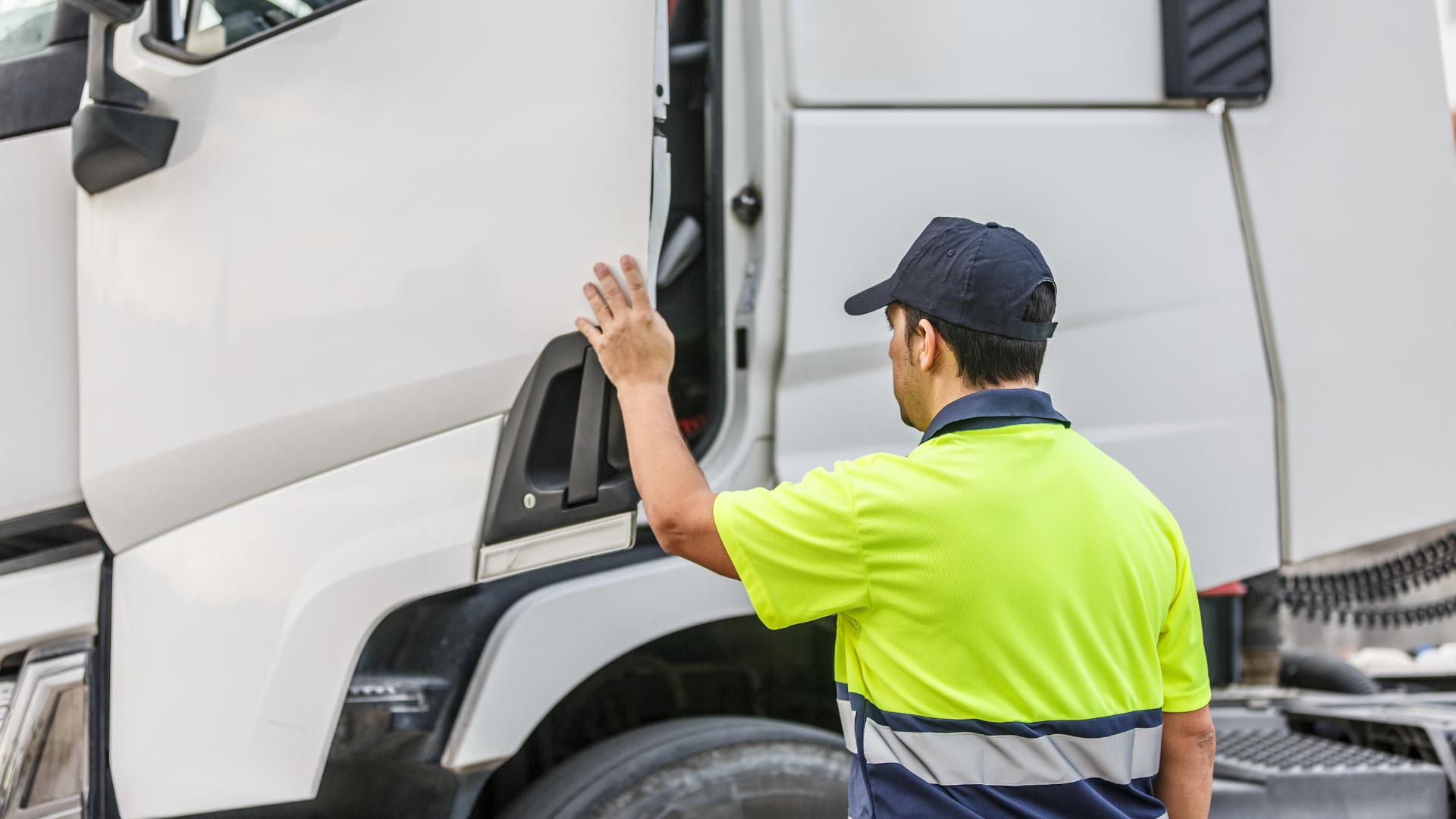
Wearing the right safety gear is fundamental to maintaining trailer repair safety. Essential safety gear includes items like hard hats, safety goggles, and steel-toed boots, which protect technicians from common workplace hazards. Gloves are also crucial, providing a protective barrier against sharp objects and harmful substances.

High-visibility vests ensure that everyone in the repair area can be easily seen, reducing the risk of accidental collisions. Respirators might be necessary when dealing with fumes or dust, safeguarding respiratory health. Ear protection is vital in environments where loud machinery is in use to prevent hearing damage.

By consistently using the appropriate safety gear, mechanics can significantly decrease the likelihood of injury and create a safer working environment. Ensuring that all team members have access to and correctly use this gear is a critical aspect of automotive repair safety and essential for adhering to effective repair safety protocols.

We recommend you to see this article: Semi Truck Maintenance Checklist: Preparing for Long-Haul Success

Workshop Safety Procedures Overview

Ensuring a safe and efficient workshop environment is foundational to successful trailer repair operations. This involves systematically implementing key safety measures and adhering to well-crafted protocols.

  • Pre-Repair Safety Checks: Begin with comprehensive inspections of the workshop and equipment. Verify that all tools and machinery are in optimal working order and that safety gear is available and in good condition. Inspect trailers for any pre-existing conditions that could complicate repairs. Maintain an organized workspace free of clutter to facilitate a safe and effective repair process.

  • Safe Handling of Tools: Equip technicians with the necessary training to handle tools properly, reducing the risk of accidents. Before use, inspect power tools for damage such as frayed cords. Encourage proper posture to avoid strain injuries and ensure the use of appropriate tools for each task. Keep tools organized to prevent tripping hazards. Always use protective gear when handling sharp or powerful tools to enhance safety.

  • Emergency Response Plans: Develop and implement comprehensive emergency response plans tailored to the workshop’s unique risks. Conduct risk assessments to anticipate possible emergencies like fires or chemical spills. Establish clear procedures and assign roles to team members. Regular drills and training ensure everyone is prepared to act swiftly and effectively, minimizing harm and enhancing workshop safety.

Experience the peace of mind that comes with knowing fast service is just a phone call away. Chat with us here.

Mechanic Safety Checks

Implementing regular safety checks is crucial for maintaining a secure and efficient trailer repair environment. Here’s a checklist to ensure mechanics operate safely:

  • Stay Alert: Always be aware of your surroundings in the dynamic and potentially hazardous workshop environment.

  • Avoid Rushing: Take the time to carefully follow each repair step to minimize mistakes that could lead to accidents.

  • Practice Proper Lifting: Use your legs, not your back, to lift, and seek help with heavy objects to prevent back injuries.

  • Take Regular Breaks: Prevent fatigue by taking scheduled breaks to maintain focus and safety.

  • Communicate Effectively: Coordinate with team members to keep a smooth and safe workflow.

By adhering to these mechanic safety checks, technicians can maintain high safety standards and boost productivity in their daily routines.

We recommend you to see this article: Benefits of On-Site Truck Repair vs. Traditional Shop Services

Driver Safety During Repairs

Driver safety during repairs is a crucial component of overall trailer repair safety. Drivers should remain vigilant and informed about the ongoing repair activities to prevent accidents. One key practice is maintaining a safe distance from the repair area to avoid interference and exposure to potential hazards such as falling objects or sharp tools. It’s also important for drivers to communicate clearly with technicians, ensuring that both parties are aware of each other’s presence and actions.

This can help prevent misunderstandings that might lead to accidents. Drivers should use designated waiting areas and avoid entering the workshop unless necessary and authorized. Additionally, drivers should adhere to any posted safety signs and instructions provided by the repair team.

To get more information about us, follow us on Facebook and Instagram. Or call us right now for a road service on: repairtrucktrailer.com
Publicado el

Trailer Repair Myths: Debunking Common Misconceptions

Trailer Repair Myths: Debunking Common Misconceptions

Trailer repair is an essential aspect of owning and maintaining a trailer, yet there are numerous myths and misconceptions that can lead to costly mistakes and unnecessary headaches. These common trailer repair myths often stem from outdated information or misunderstandings about trailer maintenance. Join us as we separate fact from fiction and ensure your trailer maintenance knowledge is on the right track.

Myth: DIY Repairs Are Always Cheaper

While it may seem like tackling trailer repair projects on your own can save money, this isn’t always the case. DIY enthusiasts often underestimate the complexity of trailer maintenance tasks, leading to incomplete or incorrect repairs. Without the right tools and expertise, you might make mistakes that could result in more costly repairs down the line.

Additionally, professional mechanics have access to quality parts and equipment that might not be available to the average trailer owner. They also have the experience to spot potential issues that could be missed by someone unfamiliar with trailer repair. Misunderstanding these factors can transform a seemingly simple job into an expensive ordeal.

Roadside troubles? Fast service is your solution.

Myth: Regular Maintenance Is Unnecessary

Neglecting regular maintenance is a common trailer repair misconception that can lead to significant long-term issues. Some trailer owners believe that as long as their trailer appears to be functioning correctly, maintenance isn’t needed. However, trailers are subject to wear and tear, just like any other vehicle.

Routine checks can catch small problems before they escalate into severe, costly damages. This includes inspecting tires for wear, checking brakes, and ensuring lights and signals work correctly. Maintenance also extends the lifespan of your trailer, ensuring it remains safe and reliable for transport.

We recommend you to see this article: Top 5 Mobile Truck Repair Hacks Every Driver Should Know

Myth: All Trailers Are Built the Same

A prevalent trailer repair myth is that all trailers are built the same, leading to the assumption that maintenance and repairs are uniform across different models. In reality, trailers come in various types and designs, each with unique features and requirements. For instance, the maintenance needs of a utility trailer will differ significantly from those of a travel trailer or livestock trailer.

Different materials, suspension systems, and braking mechanisms mean that what works for one trailer might not be suitable for another. Misunderstanding this can result in using inappropriate repair techniques or parts, potentially causing damage. It’s essential to familiarize yourself with your specific trailer’s manual and guidelines.

For reliable roadside help, dial fast service anytime!

Myth: Replacement Is Better Than Repair

Many trailer owners fall into the trap of believing that replacing parts or even the entire trailer is always better than repairing it. This trailer repair misconception often leads to unnecessary expenses. While replacement might be necessary for severely damaged components, many issues can be effectively resolved through proper repair techniques.

Repairing parts is often more cost-effective and can extend the life of your trailer. Moreover, frequent replacements contribute to waste, which is not environmentally friendly. Skilled mechanics can often restore parts to their original functionality, ensuring safety and performance without the hefty cost of new components.

Before deciding on a replacement, it’s wise to consult a professional for a thorough assessment. They can guide you on whether a repair is feasible and beneficial. Understanding this balance between repair and replacement can save money and ensure your trailer remains in good condition for years to come.

We recommend you to see this article: Why You Should Never Ignore Trailer Repair Issues

To get more information about us, follow us on Facebook and Instagram. Or call us right now for a road service on: repairtrucktrailer.com

Publicado el

Top 8 Signs Your Trailer Needs Immediate Repair

Top 8 Signs Your Trailer Needs Immediate Repair

For trailer owners, RV enthusiasts, and truck drivers, ensuring the safety and functionality of your trailer is paramount. Identifying the early signs of trailer malfunction can save you from costly repairs and hazardous situations on the road. In this guide, we will delve into the top 8 signs that indicate your trailer needs immediate repair, providing you with essential trailer maintenance tips to keep your vehicle in optimal condition.

1. Unusual Noises During Operation

If you hear grinding, squeaking, or other abnormal sounds while your trailer is in operation, these often signal mechanical issues. These noises can originate from various components such as the brakes, bearings, or suspension system. Ignoring these sounds can lead to significant mechanical failure, so it’s crucial to investigate and address them promptly.

Need a hand while on the road? We’re here to help you! Call us here.

2. Uneven Tire Wear

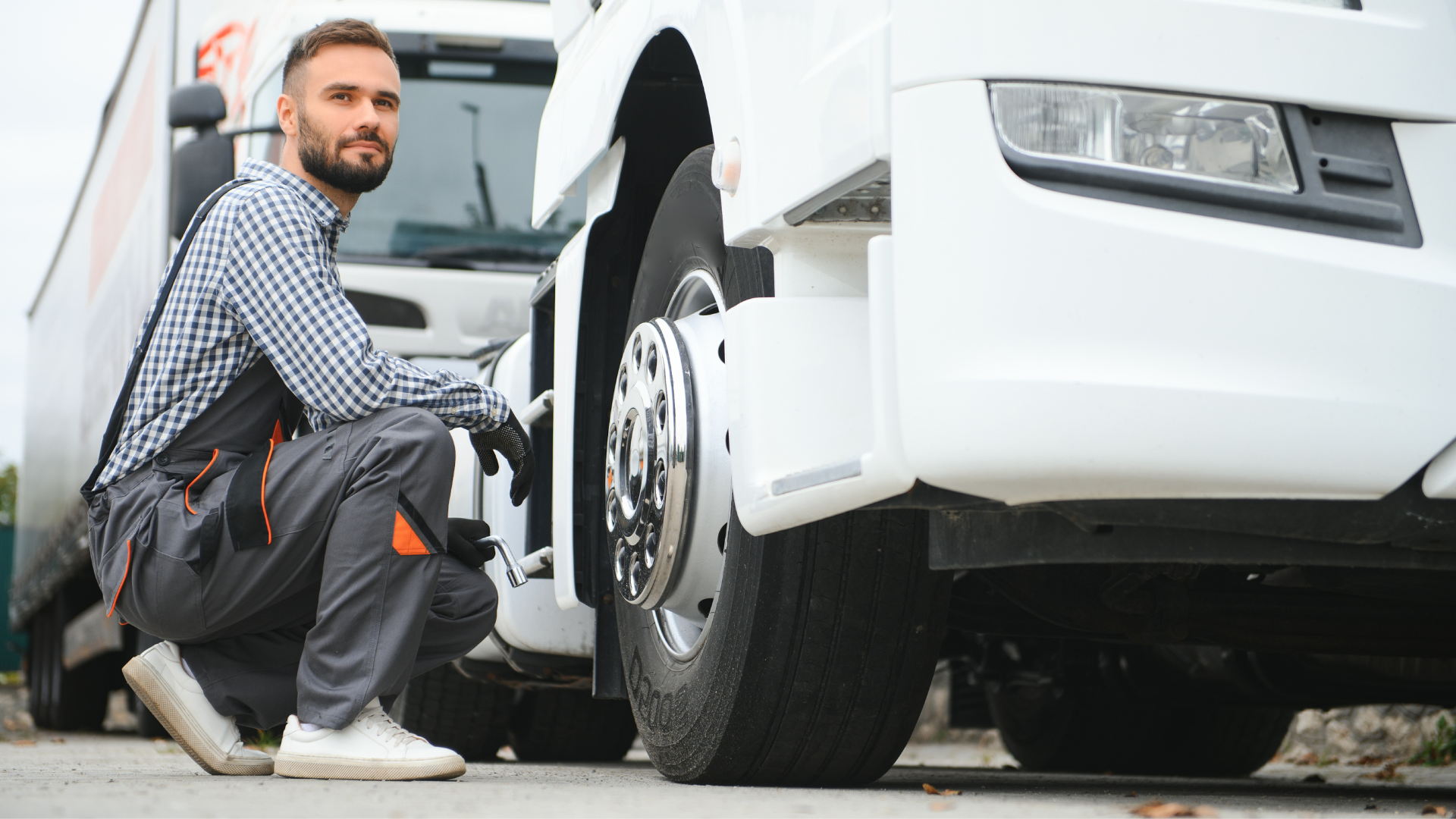
The presence of uneven tire wear can be an indication of alignment problems or suspension damage. This issue can cause poor handling and increase the risk of blowouts. Regularly inspecting your tires not only extends their lifespan but also ensures a smooth and safe ride. Addressing alignment and suspension issues quickly can prevent further damage to your trailer.

3. Poor Braking Performance

Noticeable decline in braking performance is a red flag that your trailer’s braking system might be compromised. This could be due to worn-out brake pads, faulty brake lines, or issues with the braking mechanism itself. Poor brakes increase stopping distance, posing a serious hazard, especially during emergency braking situations.

We recommend you to see this article: Benefits of Mobile Truck Maintenance for Fleet Operators

4. Visible Cracks or Rust on the Frame or Body

Any visible cracks or rust on your trailer’s frame or body indicate potential threats to its structural integrity. These imperfections can weaken the overall strength of the trailer, making it unsafe to use. Regularly checking for and addressing these issues can prevent costly repairs and ensure your trailer remains robust and reliable.

5. Flickering or Non-Functional Lights

Functional lights are crucial for visibility and safety on the road. Flickering or non-functional lights can indicate electrical problems or bulb failures. Ensuring all lights are operational minimizes the risk of accidents, as other drivers can see your signals and intentions clearly.

To know more about truck and trailer repair, contact us.

6. Excessive Swaying

 If your trailer sways excessively, it might signify suspension trouble. This swaying can make driving conditions unstable and dangerous, particularly at higher speeds or during adverse weather conditions. Ensuring the suspension system is in good working order helps maintain control and stability.

7. Leaking Fluids

Leaks, especially from hydraulic systems, demand immediate attention. Identifying and repairing leaks promptly prevents further damage to the hydraulic system and avoids potential hazards related to slipping or fire risks due to fluid accumulation.

We recommend you to see this article: How to Prevent Truck Breakdowns with Regular Maintenance

8. Malfunctioning Hitch Mechanisms

A malfunctioning or unresponsive hitch mechanism can lead to dangerous detachment while on the road. Regularly inspect and maintain the hitch to ensure it remains securely connected, preventing accidents and ensuring safe towing conditions

Regular trailer inspection and RV repair can help tackle these issues before they worsen. Developing a thorough maintenance routine ensures your trailer remains in optimal condition, reducing the risk of unexpected breakdowns and enhancing safety.

To get more information about us, follow us on Facebook and Instagram. Or call us right now for a road service on: repairtrucktrailer.com