Publicado el

Common trailer repair mistakes and how to avoid them

Common trailer repair mistakes and how to avoid them

I’ve been on enough dusty lots and dim shop bays to know this: a trailer will teach you lessons the hard way if you don’t listen. Whether you wrench on your own rig between loads or you swing by a roadside service when something squeals, the difference between a quick fix and an expensive comeback call is usually a handful of small habits. Let’s keep it simple and save your time, your tires, and your temper.

Skipping the basics: inspections and cleanliness

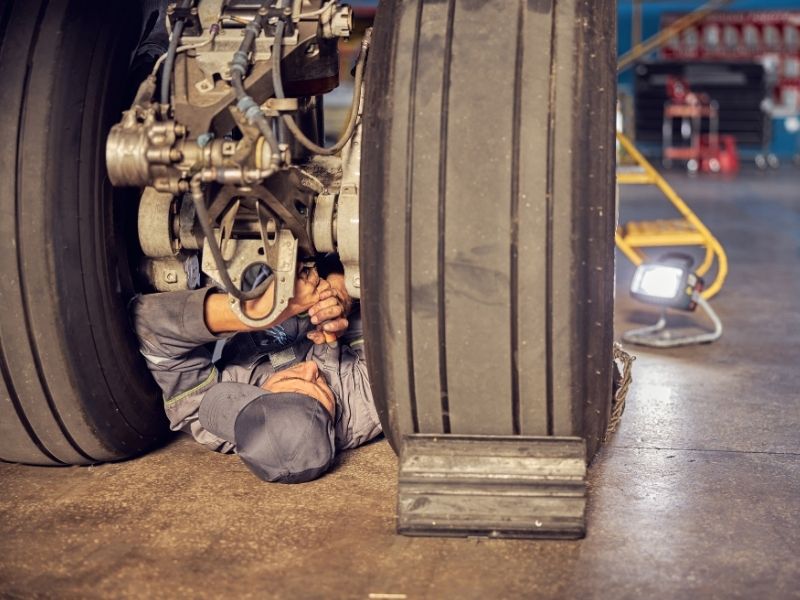
Two things make or break trailer work—eyes and rags. Too many of us jump straight to the “fix” and miss the obvious: cracked sidewalls, cupped treads, loose drums, or that telltale rust trail under a spring hanger. A slow walkaround with a good light finds 80% of problems before they become a breakdown.

Dirt lies. Grease and road grit will disguise leaks and hairline cracks. Before you call something “fine,” wipe it down. Clean hubs and brake backing plates expose seepage. Clean electrical junctions turn a “mystery light issue” into a three-minute repair. If you can’t see it clearly, you can’t judge it.

Don’t skip pre-trip inspection. Call Fast Service and we’ll take care of it, on-site!

Overlooking torque and fastener health

“Good and tight” isn’t a spec. Lug nuts, U-bolts, spring-eye bolts, and kingpin plates all have torque values for a reason. Over-torque stretches threads and sets you up for sheared studs. Under-torque lets things walk and wallow until the holes egg out.

Keep a calibrated torque wrench in your box and a simple log for when you last hit the critical fasteners. Replace deformed lock nuts instead of reusing them. If a bolt’s been heat-cycled or its threads look dusty or shiny in patches, bin it. Cheap hardware is expensive on the shoulder of I-40.

Brakes: adjustments, contamination, and balance

Brake shoes don’t last forever, and auto-slacks aren’t magic. If your pushrod travel is out of spec, you’ve got an out-of-service ticket waiting. Check for even shoe wear, cracked linings, and slack adjusters that actually adjust.

Contamination is a silent killer. A weeping hub seal will oil the shoes and cut your stopping power to a cruel joke. Fix the seal, clean or replace the shoes, and flush the drum. While you’re there, make sure all wheel ends are balanced—one hot drum means uneven work across the axle.

You can also read: Mechanics’ tips: Basic truck repairs you can do on the road

Electrical gremlins and bad grounds

Nine times out of ten, trailer lighting “mysteries” come down to grounds. Corrosion builds, paint gets in the way, and suddenly your turn signal thinks it’s a brake light. Bond grounds to bare metal, use star washers, and finish with dielectric grease to keep the rot out.

Skip the vampire taps. Use heat-shrink butt connectors or, better yet, Deutsch connectors for critical circuits. Route looms away from pinch points and give them slack for suspension travel. Loom clamps with rubber inserts are cheap insurance against chafing through in six months.

Tires: pressure, matching, and alignment

Tires tell stories if you read them. Feathering screams alignment. Center wear whispers over inflation. Shoulder wear says you’re underinflated or out of camber. Set pressures cold, match tire sizes and tread depths on duals, and don’t mix casings with wildly different ages.

If you’re scrubbing tires every few months, measure axle alignment to the kingpin and square the suspension. Bent hangers or worn bushings will chew rubber faster than a burnout. A half-day with string, a tape, and patience beats a thousand bucks in scrap rubber.

Need a tire change on the road? Call Fast Service, we come to you 24/7.

Wheel ends: bearings, seals, and lube choice

Too tight cooks bearings; too loose hammers races. Set end play with a dial indicator, not a feel. Use the correct grease or oil—mixing incompatible lubes can turn to pudding and starve the rollers.

Any sign of silver glitter in the oil or grease is a warning. Replace, don’t rationalize. And never ignore heat: a hot cap after a short run means you’re about to make friends with a wrecker.

You might like: Top safety apps every truck driver should have on their phone

Documentation and parts quality

Write it down. Date, mileage, what you did, and what you used. That notebook saves you from chasing the same ghost twice and builds a picture of wear patterns over seasons and routes.

Buy parts that match the job. Brakes, seals, and suspension parts aren’t where you want to gamble on no-name specials. Your trailer is a profit machine—feed it quality and it will pay you back in uptime.

Bottom line: slow down, clean up, measure, and trust the specs. Do that, and your trailer will say “thank you” the only way it knows—by rolling smooth and quiet for miles.

To get more information about us, follow us on Facebook and Instagram. Or call us right now for a road service on: repairtrucktrailer.com

Publicado el

Keep rolling: why on‑site trailer repairs beat time‑killing delays

Keep rolling why on‑site trailer repairs beat time‑killing delays

I’ve been behind the wheel long enough to know that when a trailer goes down, the clock goes from your friend to your enemy real fast. Dead time eats miles, miles eat money, and suddenly everyone wants to know why you’re parked instead of delivering. That’s where on‑site trailer repairs earn their keep. Instead of waiting for a tow or limping to a shop, bringing the fix to your spot keeps you rolling and your customers calm.

Less waiting, more hauling

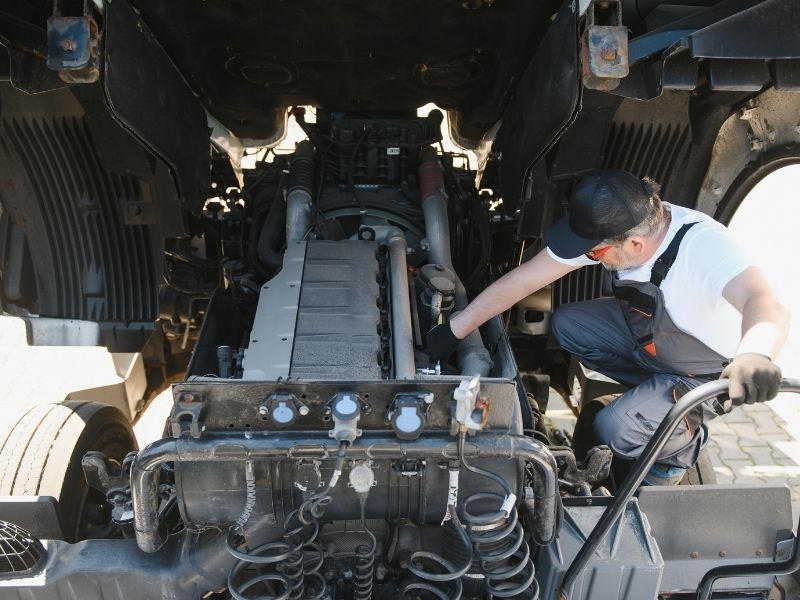
Getting help where you’re parked turns breakdowns into pit stops. Mobile techs show up with the parts and tools to handle the common headaches—lights, brakes, tires, air lines—so you can turn a two‑hour delay into a quick coffee break. No queues, no towing dance, just straight to the fix.

There’s also the dispatch factor. When repairs happen on‑site, your dispatcher can keep the load plan mostly intact. You won’t lose your slot at the dock, and you won’t be stuck hunting for an open bay at 3 a.m. On‑site means your wheels start turning sooner, which keeps your day from snowballing into a mess.

We’re here for you 24/7. Call us for on-site repairs.

Safety without the shop

Breaking down on a shoulder or a dim truck stop isn’t just annoying—it can be risky. On‑site trailer repair crews are set up for safety, with cones, lights, and the know‑how to secure the work area. That reduces your exposure while the fix gets done and keeps you from creeping along to a shop with a sketchy brake or half‑flat tire.

Plus, the techs who come to you are used to diagnosing issues in the wild. They’ve seen every busted glad-hand and stubborn ABS light in the book. They’ll spot related problems—like a chafed air hose or loose wiring—so you don’t roll out only to break down again fifty miles later.

Call Fast Service!

Money matters: costs you don’t see

Towing isn’t just expensive; it’s a time tax. By the time a hook shows up, loads get rescheduled, detention stacks up, and your HOS clock takes a beating. On‑site repairs avoid most of that. You pay for the fix, not the long ride to a shop and the wait once you get there.

There’s also wear and tear to think about. Dragging a trailer to a shop with a bad bearing or shredded tire can turn a small repair into a big bill. Fixing it where it sits helps stop small problems from chewing up other parts and keeps the invoice where it belongs.

You might like: Emergency preparedness: what every driver should carry in their truck

Keep the load—and reputation—intact

Every driver knows the real cost of a breakdown is what it does to trust. Customers remember late deliveries and missed windows. Fast, on‑site repairs show you planned for the unexpected and have a way to handle it. That keeps shippers happy and your name in good standing.

On top of that, staying with your trailer matters. With on‑site service, you don’t have to leave your load unattended or gamble on security while you chase help. You stay with the freight, the fix comes to you, and the delivery stays on track.

Smart habits to back it up

On‑site repairs shine brightest when you’ve got your basics covered. Keep a short checklist for pre‑trip and post‑trip inspections—tires, lights, brakes, doors, seals, and air lines. Snap a couple of photos when something looks off. Good notes help techs show up with the right parts and shave more time off the stop.

And build your bench. Save numbers for reliable mobile repair outfits along your lane. Ask other drivers who’s solid at night and on weekends. When trouble hits, the best time to find help is five minutes ago—and on‑site repair is the fastest way to turn a breakdown into a bounce‑back.

To get more information about us, follow us on Facebook and Instagram. Or call us right now for a road service on: repairtrucktrailer.com

Publicado el

Mechanics’ tips: Basic truck repairs you can do on the road

Mechanics’ tips Basic truck repairs you can do on the road

It’s the nightmare scenario: you’re trucking along, miles from anywhere, and your rig decides to take an unscheduled break. While you might not be able to rebuild an engine on the roadside, knowing a few quick fixes can save you a tow, a lot of time, and some serious cash. Being prepared with a basic toolkit and a little know-how is the secret to getting back on the asphalt with minimal fuss.

The tire triumph

Flat tires are probably the most common roadside headache. If you’re lucky enough to have a spare and the right tools (a hefty jack and lug wrench are non-negotiable), changing a tire yourself is totally doable. But even before that, learn to spot a slow leak. A simple portable air compressor can keep you rolling until you hit the next service station. Remember, uneven wear or low pressure is a disaster waiting to happen—check those treads and PSI regularly!

Stuck in the middle of the road and nothing works? Don’t worry. We come to you, anytime! Call us for mobile truck repairs in Orlando.

Power up your electricals

Electrical gremlins are frustrating, but sometimes the fix is simple. If your truck won’t start, check the battery terminals. Corrosion can prevent a good connection. Keep a wire brush handy to scrub off that crusty white or blue build-up, ensuring a clean, tight link. Blown fuses are another common culprit for things like non-working lights or wipers. A cheap fuse kit and a quick look at your fuse box diagram can often resolve a surprising number of minor issues.

Fast Service is here to get you back on the road. Call us 24/7!

Coolant and hoses check

An overheating engine will ruin your day (and your engine). Always check your coolant level before a long trip. If you spot a small leak in a hose, a temporary patch with heavy-duty electrical tape or even a piece of rubber and a clamp can get you to a shop. Just remember, these are temporary fixes. The key here is vigilance—inspect your belts and hoses for cracks or bulges before you leave the yard. A little pro-active looking goes a long, long way!

To get more information about us, follow us on Facebook and Instagram. Or call us right now for a road service on: repairtrucktrailer.com
Publicado el

Step-by-step guide to quick on-site truck repairs

Step-by-step guide to quick on-site truck repairs

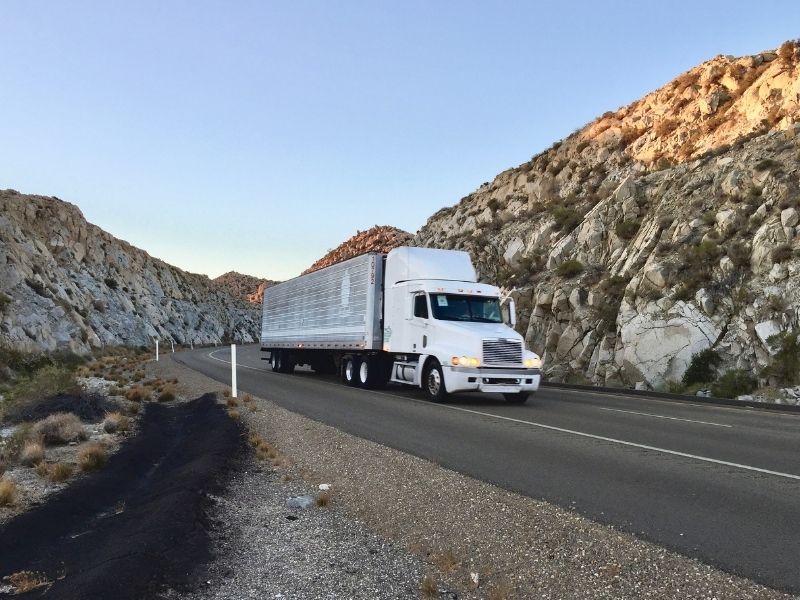
Maintaining the efficiency and reliability of trucks is essential in the fast-paced world of logistics and transport. When breakdowns happen on the road or at a job site, the ability to perform swift repairs can minimize downtime and prevent bigger problems. Here’s my quick and thorough guide for getting trucks rolling again—right where the problem happens.

Call us for on-site repairs in Orlando, 24/7.

Assessing the situation

Before even popping the hood, I take a deep breath and carefully examine the truck’s immediate issue. Is it a flat tire, a leaking hose, or maybe a loss of power? A proper diagnosis is step one—it saves time and keeps me from missing more obvious problems. I always keep a checklist handy to make sure I’m not overlooking potential hazards, like traffic or unstable surfaces.

Once I pinpoint the likely cause, I make sure the safe work area is set up. Using reflective cones, wheel chocks, and PPE, I minimize risks. I also document the situation for records, taking photos if required, just to be sure everything is clear if more help is needed.

You might be interested: Emergency preparedness: what every driver should carry in their truck

Gathering the right tools and parts

I stay organized with a pre-packed tool kit tailored for common roadside fixes—wrenches, screwdrivers, jacks, and spare hoses or belts. It’s a huge time saver knowing exactly where everything is. If the repair needs a specific part, I double-check compatibility with the truck model before I even touch a bolt.

In some cases, I’ll call ahead to a repair shop or parts supplier to source unique components. This ensures that lost time is kept to a minimum while waiting for parts. The goal is always to resolve the issue quickly and keep the truck on schedule.

Stuck in the middle of nowhere? Call the experts: Call Fast Service.

Performing the repair and final checks

With the area secure and tools in hand, I follow the manufacturer’s instructions or industry-standard procedures. It’s tempting to rush, but I remind myself that safety and quality matter. Step by step, I replace, tighten, or patch as needed.

After finishing the repair, a careful double-check is crucial. I test the fix, whether it means turning the ignition, checking for leaks, or ensuring bolts are torqued to specification. Only when everything passes inspection do I clear the scene and get back on the road.

To get more information about us, follow us on Facebook and Instagram. Or call us right now for a road service on: repairtrucktrailer.com
Publicado el

Staying fit on the road: no-gym workouts for truckers

Staying Fit on the Road No-Gym Workouts for Truckers

Living life on the road can make it tough to stay in shape. Long hours sitting behind the wheel and limited access to gyms mean that many truckers struggle to maintain a healthy lifestyle. But staying fit doesn’t require a gym membership or fancy equipment. With a little creativity and commitment, you can use your truck and the great outdoors as your personal fitness center. Here are some no-gym workouts for truckers.

Workout at your truck stop

Your truck is your mobile gym, and the space around it is your workout zone. A simple warm-up of jumping jacks or jogging in place is a great way to start. From there, you can use the trailer for support with incline push-ups or tricep dips. Use the steps into your cab for calf raises. You can also do classic bodyweight exercises like squats, lunges, and crunches right on the pavement. The goal is to get your heart rate up and work your major muscle groups.

Another great option is to carry a few small, portable items. Resistance bands are lightweight and can provide a full-body workout. They are perfect for building strength in your arms, back, and legs. An adjustable jump rope can also be a fantastic cardio tool, helping you burn calories quickly in a small amount of space.

Staying in shape also means keeping your peace of mind. Call Fast Service for quick and on-site truck repairs in Orlando. We’re open 24/7.

Walk, climb, and stretch

Walking is one of the best forms of exercise, and it’s something you can do almost anywhere. Whenever you’re at a rest stop or a truck stop, take a brisk walk around the lot. This simple activity gets your blood flowing, improves your mood, and breaks up the monotony of sitting. If you have the chance, find a park or a walking path nearby to stretch your legs and breathe some fresh air.

You can also read: Top safety apps every truck driver should have on their phone

Stretching is also incredibly important. It helps prevent muscle stiffness and soreness from sitting for long periods. Focus on your back, hips, hamstrings, and shoulders. Simple stretches like reaching for your toes while seated or doing shoulder rolls can make a huge difference. A few minutes of stretching before and after a long drive can help you feel better and reduce your risk of injury.

Practice these no-gym workouts for truckers and maintain a healthy lifestyle during long hauls!

To get more information about us, follow us on Facebook and Instagram. Or call us right now for a road service on: repairtrucktrailer.com
Publicado el

Mastering the scales: tips to avoid overweight fines

Mastering the Scales Tips to Avoid Overweight Fines

There’s nothing worse than pulling into a weigh station, seeing those red lights, and knowing you’re about to get hit with a hefty fine. For a trucker, an overweight citation doesn’t just cost money; it can also burn precious time and even lead to bigger compliance issues. But with a little knowledge and a few smart habits, you can master the scales and keep your load legal, every single time. Let’s dive into some tips to avoid overweight fines.

Know your limits and load smart

First and foremost, you have to know your legal weight limits. This isn’t just about the total Gross Vehicle Weight (GVW); it’s also about your axle and tandem weights. Every state has different regulations, and it’s your responsibility to know what they are. The best way to avoid issues is by distributing your cargo evenly across the trailer. This might seem obvious, but a few tons shifted to one side can put you over the limit on a single axle, even if your total weight is fine.

Don’t be afraid to use a portable scale at a loading dock if you’re unsure about the weight. When you’re loading your trailer, pay close attention to how the weight feels and adjust accordingly. Remember, it’s better to spend a few extra minutes adjusting the load at the dock than it is to spend hours dealing with an overweight ticket.

You might be interested: Emergency preparedness: what every driver should carry in their truck

Use technology and trust your gut

Modern trucking has a lot of tools to help you out. Many trucks today have onboard scales that give you a real-time weight reading. While they aren’t always 100% precise, they’re a great way to get a quick check and make sure you’re not obviously over the limit before you hit the road. Use these tools as a first line of defense. Also, many truck stop scales are a trucker’s best friend. Weighing your rig before you get on the highway is a small cost that can save you thousands in fines and lost time.

Don’t risk getting stuck in the middle of nowhere. Call us for mobile repairs 24/7!

Beyond the technology, you have to trust your gut. If your truck feels like it’s riding low or handling differently than usual, it’s a good sign that your weight is off. Pull over at the next safe spot and check your load and your weight. A quick self-check can prevent a bad situation from getting worse. Always be proactive; a few minutes of precaution can be the difference between a smooth trip and a frustrating delay.

To get more information about us, follow us on Facebook and Instagram. Or call us right now for a road service on: repairtrucktrailer.com
Publicado el

Emergency preparedness: what every driver should carry in their truck

Emergency Preparedness: What Every Driver Should Carry in Their Truck

When you’re out on the road, miles away from the nearest town, the last thing you want is to be caught unprepared in an emergency. Whether it’s a mechanical failure, adverse weather conditions, or a medical situation, having the right supplies on hand can make all the difference. In this guide, we’ll cover the essential items every truck driver should carry to stay safe and handle emergencies like a pro.

1. The ultimate safety essentials

Safety starts with visibility and protection. In any roadside emergency, ensuring that other drivers can see you is crucial to avoid accidents.

Must-have items:

  • Reflective Vest: Wear this when stepping out of your truck to stay visible to oncoming traffic.
  • Warning Triangles or Flares: Place these behind your truck to alert other drivers of your presence.
  • Flashlight with Extra Batteries: A powerful flashlight is invaluable for inspecting your truck at night or in dim conditions.

Quick Tip: Opt for LED flashlights—they’re brighter and have longer battery life.

2. First aid kit for medical emergencies

Minor injuries can happen anywhere, and having a well-stocked first aid kit can prevent small issues from becoming major problems.

Key Items to Include:

  • Adhesive bandages (various sizes)
  • Antiseptic wipes and ointment
  • Pain relievers (aspirin, ibuprofen)
  • Tweezers, scissors, and medical tape
  • Instant cold packs

Bonus Tip: Consider adding any personal medications or allergy treatments you may need on the road.

Roadside troubles? Fast service is your solution.

3. Basic tools and repair supplies

While you may not be a mechanic, having a few basic tools can help you address minor issues until professional help arrives.

Essential Tools:

  • Multi-tool or pocket knife
  • Wrenches, screwdrivers, and pliers
  • Duct tape and electrical tape
  • Tire pressure gauge
  • Jumper cables

Pro Tip: Keep a tire repair kit handy—it can be a lifesaver if you experience a flat in a remote area.

We recommend you to see this article: Trailer Repair Myths: Debunking Common Misconceptions

4. Emergency food and water

Getting stranded can be stressful, but it’s even worse if you’re hungry and dehydrated. Having non-perishable food and plenty of water on board ensures you stay fueled and hydrated.

Stock Up On:

  • Bottled water (at least a gallon)
  • Energy bars, trail mix, and canned goods
  • A manual can opener

Survival Tip: Look for high-protein, high-calorie snacks that don’t require cooking or refrigeration.

Experience the peace of mind that comes with knowing fast service is just a phone call away. Chat with us here.

5. Weather-ready gear

Mother Nature can be unpredictable, and being ready for all types of weather is essential.

Weather Essentials:

  • Rain gear (waterproof jacket, pants, and boots)
  • Blanket or sleeping bag
  • Gloves and a warm hat (for cold climates)
  • Ice scraper and snowbrush

Cold-Weather Hack: Keep a bag of kitty litter or sand to help with tire traction if you get stuck in snow or ice.

6. Communication and navigation tools

Staying connected and knowing your exact location can speed up rescue efforts.

Critical Devices:

  • Fully Charged Phone: Always keep a portable charger or power bank handy.
  • CB Radio: A reliable backup if phone service is spotty.
  • GPS Device: While phones have GPS, a dedicated device can be more reliable in remote areas.

Pro Tip: Save emergency contacts and repair service numbers in your phone for quick access.

To know more about truck and trailer repair, contact us.

7. Personal comfort items

Spending hours waiting for help can be uncomfortable. A few personal items can make the experience less stressful.

Comfort Checklist:

  • Neck pillow and blanket
  • Reading material or a downloaded audiobook
  • A deck of cards or a puzzle book

Mental Health Boost: Keeping yourself entertained helps reduce stress and anxiety during long waits.

8. Documentation and paperwork

Always have your important documents within reach in case of emergencies or inspections.

Key Documents:

  • Driver’s license and medical card
  • Vehicle registration and insurance information
  • Emergency contact list

Tip: Store these in a waterproof folder to protect them from damage.

We recommend you to see this article: Top 8 Signs Your Trailer Needs Immediate Repair

9. Fuel and fluids

Running out of fuel or essential fluids can leave you stranded. Regularly check and carry extras.

Must-Have Extras:

  • Diesel fuel additive (for cold weather)
  • Engine oil and coolant
  • Windshield washer fluid

Maintenance Tip: Regularly inspect your truck’s fluid levels to avoid preventable breakdowns.

10. Plan and stay prepared

Preparation is not just about having the right gear—it’s about knowing how to use it. Regularly inspect your emergency kit and update it as needed. Practice handling common roadside issues so you’re ready when they happen.

To get more information about us, follow us on Facebook and Instagram. Or call us right now for a road service on: repairtrucktrailer.com

Publicado el

Top safety apps every truck driver should have on their phone

Top Safety Apps Every Truck Driver Should Have on Their Phone

Truck drivers face unique challenges on the road, from navigating unfamiliar routes to managing unexpected breakdowns and staying alert in changing weather conditions. Fortunately, technology has made life easier—and safer—for drivers. With a smartphone in hand, you have access to a world of tools designed to enhance your safety and efficiency. In this blog, we’ll explore the top safety apps that every truck driver should download today.

1. Trucker path

Best for: Route planning and finding amenities

Trucker Path is a comprehensive app that helps drivers locate rest areas, weigh stations, parking spots, and fuel stations. It also provides real-time information on road conditions and closures, making it easier to plan your trips safely and efficiently. Knowing where to stop and rest is critical for driver safety and compliance with Hours of Service (HOS) regulations.

Bonus Feature: Reviews from other truckers help you choose the best stops based on your needs.

2. Weather Underground

Best for: Real-time weather updates

Weather Underground offers hyper-local weather forecasts, which can be crucial for drivers dealing with changing conditions. The app provides alerts for severe weather, radar maps, and detailed hourly forecasts. Staying ahead of weather changes helps you avoid dangerous conditions like heavy rain, snow, or fog.

Pro Tip: Customize the app to send notifications for hazardous weather along your planned route.

Need a hand while on the road? We’re here to help you! Call us here.

3. FleetSafer mobile

Best for: Reducing distractions

FleetSafer Mobile automatically detects when you’re driving and restricts access to non-essential apps and notifications. This helps drivers stay focused on the road and reduces the risk of accidents caused by distracted driving. Staying focused behind the wheel is crucial for safety, especially during long hauls.

Bonus: The app can send automated responses to incoming messages, letting people know you’re driving.

We recommend you to see this article: Dealing with Truck Electrical Issues

4. myCARFAX

Best for: Maintenance tracking

Keeping up with regular maintenance is key to preventing breakdowns. myCARFAX allows you to track your vehicle’s service history, receive reminders for oil changes, tire rotations, and more. Proactive maintenance ensures your truck stays in peak condition, reducing the risk of roadside emergencies.

Tip: Set up alerts to stay on top of your truck’s maintenance schedule.

When your truck’s in distress on the highway, don’t panic – call Fast Service for immediate, expert assistance!

5. First Aid by American Red Cross

Best for: Emergency medical guidance

The First Aid app from the American Red Cross offers step-by-step instructions for handling medical emergencies. From treating minor cuts to responding to serious injuries, this app provides easy-to-follow guidance. Quick access to first aid information can be crucial in remote areas where help may take time to arrive.

Bonus Feature: The app works offline, so you can access information even without internet service.

6. GasBuddy

Best for: Finding fuel deals

GasBuddy helps drivers locate the cheapest fuel prices along their route. It also offers real-time updates on fuel availability and payment options. Saving money on fuel adds up over time and can significantly impact your bottom line.

Pro Tip: Use the trip cost calculator to estimate fuel expenses for your route.

7. TruckMap

Best for: Truck-specific navigation

TruckMap provides turn-by-turn navigation designed specifically for trucks. It accounts for factors like weight limits, low bridges, and road restrictions, ensuring you stay on compliant routes. Avoiding restricted roads and low-clearance bridges helps prevent accidents and fines.

Bonus Feature: The app also tracks your Hours of Service (HOS) to help you stay compliant.

Experience the peace of mind that comes with knowing fast service is just a phone call away. Chat with us here.

8. Waze

Best for: Real-time traffic updates

Waze is a community-driven app that provides real-time traffic updates, accident reports, and road hazard alerts. Drivers can contribute information, helping others avoid delays and dangerous conditions. Staying informed about traffic conditions helps you plan detours and avoid time-consuming delays.

Quick Tip: Enable voice-guided navigation to keep your hands on the wheel and eyes on the road.

We recommend you to see this article: How to Extend the Lifespan of Your Truck Tires

Why these apps matter

Technology is a powerful tool for truck drivers, offering solutions to common challenges and improving overall safety. By downloading and using these apps, you can navigate the road with confidence, stay ahead of potential issues, and focus on what matters most—getting to your destination safely.

Fast Service Truck & Trailer Repair: Your roadside partner

At Fast Service Truck & Trailer Repair, we know how important it is to stay safe and prepared on the road. That’s why we offer 24/7 mobile repair services to keep you moving when unexpected issues arise. Whether it’s a minor fix or a major repair, our experienced team is ready to assist you anytime, anywhere.

To get more information about us, follow us on Facebook and Instagram. Or call us right now for a road service on: repairtrucktrailer.com

Publicado el

Roadside service vs. towing: when do you call for which?

roadside service

We’ve all been there. The car sputters, slows, and—just your luck—comes to a halt on the side of the road. In that moment, your mind races: do you need a friendly roadside hero, or is your car destined for a tow truck ride? Knowing when to call for roadside service versus towing can save time, money, and your sanity.

What is roadside service?

Roadside service is like having a mechanical best friend on speed dial. This service covers common on-the-road annoyances: dead batteries, flat tires, running out of gas, or getting locked out of your car. If you’re stuck but your car’s generally intact and could be fixed up quickly right where you are, roadside service is your best bet. Think of it as a quick rescue—the goal is to get you moving without a trip to the repair shop.

You should definitely choose roadside service if:

  • You have a flat tire and a spare
  • The battery just needs a jump
  • You’re out of fuel (and feeling sheepish)
  • Minor repairs or help unlocking your car

And definitely call Fast Service, we’ll come right to you in less than 30 minutes.

When towing is the only option

Sometimes, what you really need is a lift—literally. Towing steps in when your car can’t be quickly revived where it stopped. This could mean engine trouble, transmission failure, or an accident. If moving your vehicle is risky or impossible, it’s time to call for a tow, which will take your car to a garage or your mechanic of choice.

Situations that call for a tow truck:

  • Serious engine or transmission issues
  • After a collision
  • When your car is undriveable (the wheels won’t turn, for example)
  • Major mechanical failures not fixable on the spot

You might be interested in: Driver Safety First: Essential Roadside Tips Every Truck Operator Should Know

Don’t second-guess yourself

If you’re on the fence, remember most roadside services can dispatch a tow truck if they determine you need one. Start with roadside help if there’s a chance it’s a simple fix. No shame either way—what matters is getting back on the road safely and without extra stress.

To get more information about us, follow us on Facebook and Instagram. Or call us right now for a road service on: repairtrucktrailer.com

Publicado el

Is your APU unit ready for winter? A pre-season service checklist

truck's APU

When the chilly winds of winter start to bite, your truck’s Auxiliary Power Unit (APU) can be your best friend out on the road. But only if it’s in tip-top shape. Nothing ruins a road trip faster than climbing into your cab after a long haul, only to find your heater won’t work, or you’re facing a dead battery. Before freezing temps arrive, it makes sense to give your APU a little TLC with a pre-season checkup—especially if you count on mobile truck repair services to keep things rolling.

Inspect and clean key components

Start by checking all air filters, belts, and hoses for signs of wear, cracks, or grime. Replace damaged parts to prevent unexpected breakdowns when you least want them. Don’t forget to clean any debris from exterior vents and fans, too. Dirty or blocked airflow will reduce your heater’s effectiveness and stress your truck’s APU, which could lead to bigger repairs down the line.

Double-check your coolant and antifreeze levels. Winter means things freeze up quickly if fluids aren’t at the right concentration, and a low coolant system is just asking for icy trouble.

Need assistance? Call us 24/7 and we’ll come to YOU.

Test electricals and batteries

Give your battery a good once-over by looking for corrosion on the terminals and checking the hold-downs. Look for any warning signs like flickering lights on your control panel—this could mean trouble is brewing in your electrical system. Make sure all wiring is secure and free from wear or fraying.

If you’re relying on mobile service, let the pros test your battery’s charge and inspect system outputs. Mobile techs have diagnostic tools on board to catch issues before they become cold-night breakdowns.

You can also read: Stress-Free Driving: How to Stay Calm During Roadside Emergencies

Schedule that pre-season mobile service

Don’t put off calling your favorite mobile truck repair tech. Booking a preseason APU check gives you peace of mind and can save you money by catching little problems before they grow. Plus, mobile service means the mechanic comes to you, wherever the truck is parked—no need to juggle drive time, dispatch changes, or long waits at the shop.

Check off this simple pre-season list now, and your APU unit will be good to go, keeping you comfortable and warm all winter long!

You can also check out our services.

To get more information about us, follow us on Facebook and Instagram. Or call us right now for a road service on: repairtrucktrailer.com